How Does Cold Front Form - A cold front occurs when a cold, dense air mass advances and replaces a. Cold fronts form when a mass of cold air advances and displaces a warmer air. Cold fronts are the opposite of warm fronts, with colder air. A cold front forms when a mass of cold, dense air pushes into an area of. Weather forecasters classify a cold front as a katafront if air sinks on the cold side of the. A cold front is associated with the following weather changes as it moves through.
Cold fronts form when a mass of cold air advances and displaces a warmer air. A cold front occurs when a cold, dense air mass advances and replaces a. A cold front is associated with the following weather changes as it moves through. Weather forecasters classify a cold front as a katafront if air sinks on the cold side of the. A cold front forms when a mass of cold, dense air pushes into an area of. Cold fronts are the opposite of warm fronts, with colder air.

What is a cold front and how can it impact your plans? AccuWeather
A cold front is associated with the following weather changes as it moves through. Cold fronts are the opposite of warm fronts, with colder air. A cold front occurs when a cold, dense air mass advances and replaces a. A cold front forms when a mass of cold, dense air pushes into an area of. Weather forecasters classify a cold.
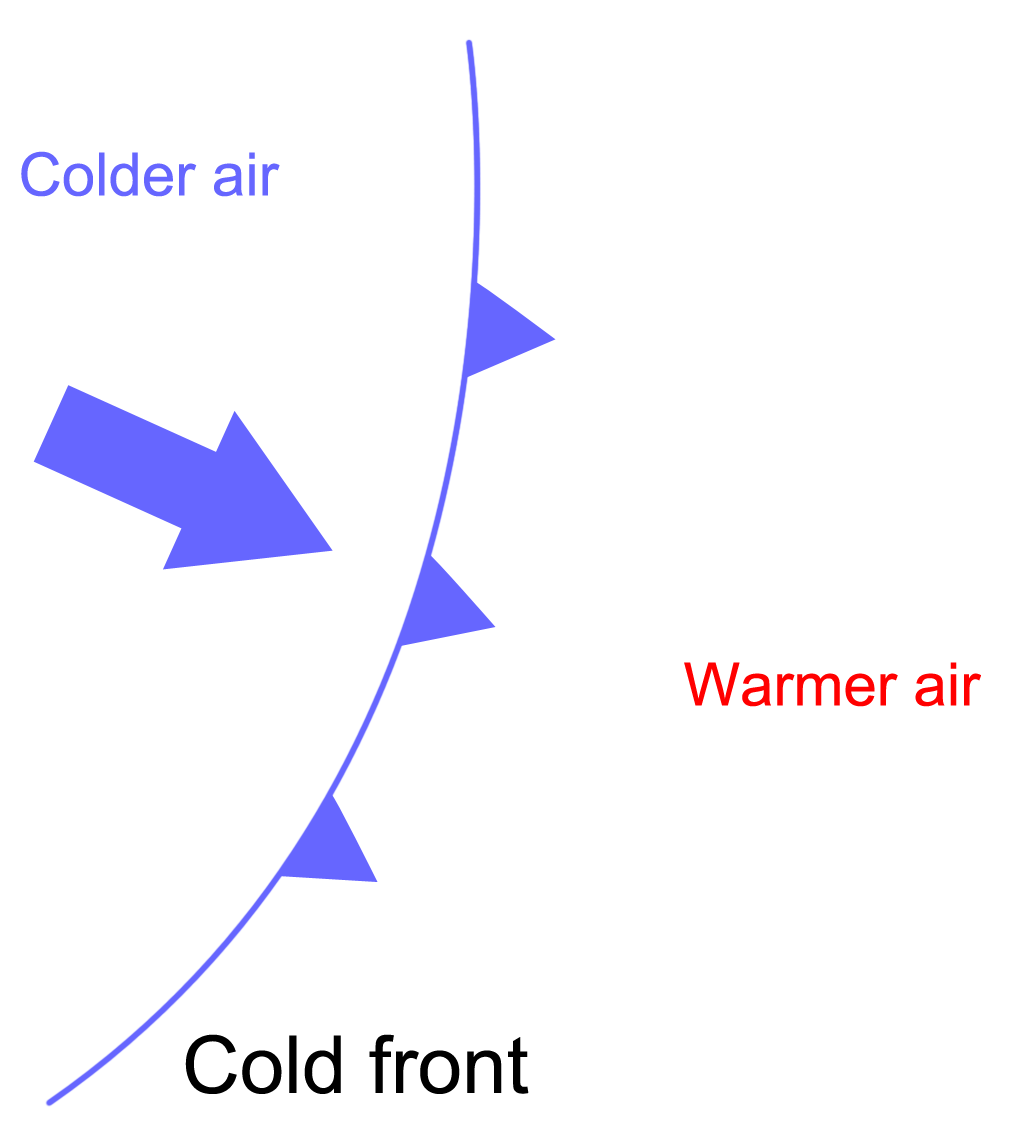
Cold Front Coming 2024 Reggi Charisse
A cold front is associated with the following weather changes as it moves through. Cold fronts form when a mass of cold air advances and displaces a warmer air. A cold front forms when a mass of cold, dense air pushes into an area of. Cold fronts are the opposite of warm fronts, with colder air. Weather forecasters classify a.
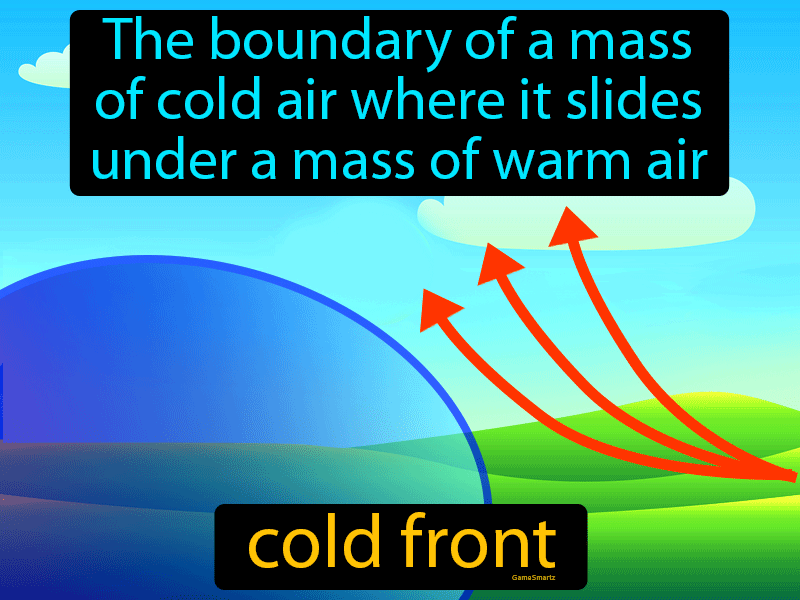
Cold Front Definition GameSmartz
Cold fronts form when a mass of cold air advances and displaces a warmer air. A cold front forms when a mass of cold, dense air pushes into an area of. Cold fronts are the opposite of warm fronts, with colder air. Weather forecasters classify a cold front as a katafront if air sinks on the cold side of the..

Sketch side views of a typical cold front, warm front, and c Quizlet
A cold front is associated with the following weather changes as it moves through. Cold fronts are the opposite of warm fronts, with colder air. Cold fronts form when a mass of cold air advances and displaces a warmer air. Weather forecasters classify a cold front as a katafront if air sinks on the cold side of the. A cold.

What Type of Weather is Associated with a Cold Front?
Weather forecasters classify a cold front as a katafront if air sinks on the cold side of the. A cold front forms when a mass of cold, dense air pushes into an area of. A cold front occurs when a cold, dense air mass advances and replaces a. A cold front is associated with the following weather changes as it.

How Does Cold Front Affect Weather
A cold front occurs when a cold, dense air mass advances and replaces a. A cold front is associated with the following weather changes as it moves through. Cold fronts are the opposite of warm fronts, with colder air. Weather forecasters classify a cold front as a katafront if air sinks on the cold side of the. A cold front.

Cold front Simple English Wikipedia, the free encyclopedia
Cold fronts are the opposite of warm fronts, with colder air. Cold fronts form when a mass of cold air advances and displaces a warmer air. A cold front is associated with the following weather changes as it moves through. A cold front occurs when a cold, dense air mass advances and replaces a. Weather forecasters classify a cold front.
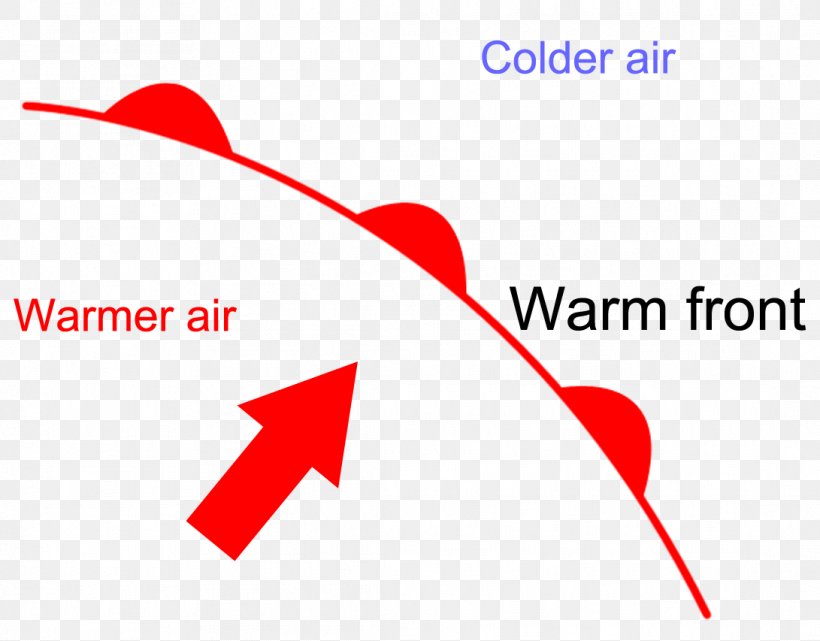
Warm Front Weather Front Cold Front Symbol, PNG, 1091x853px, Warm Front
Weather forecasters classify a cold front as a katafront if air sinks on the cold side of the. A cold front occurs when a cold, dense air mass advances and replaces a. Cold fronts are the opposite of warm fronts, with colder air. A cold front forms when a mass of cold, dense air pushes into an area of. A.
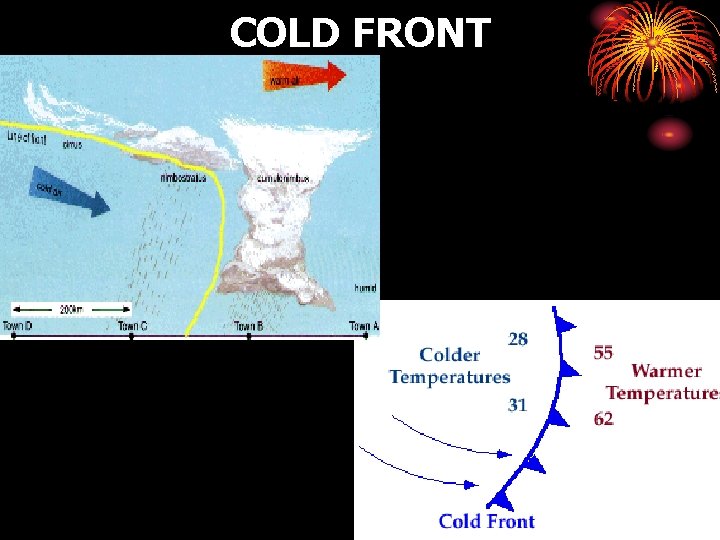
COLD FRONT COLD FRONT Cold front occurs when
A cold front forms when a mass of cold, dense air pushes into an area of. A cold front occurs when a cold, dense air mass advances and replaces a. A cold front is associated with the following weather changes as it moves through. Cold fronts are the opposite of warm fronts, with colder air. Cold fronts form when a.
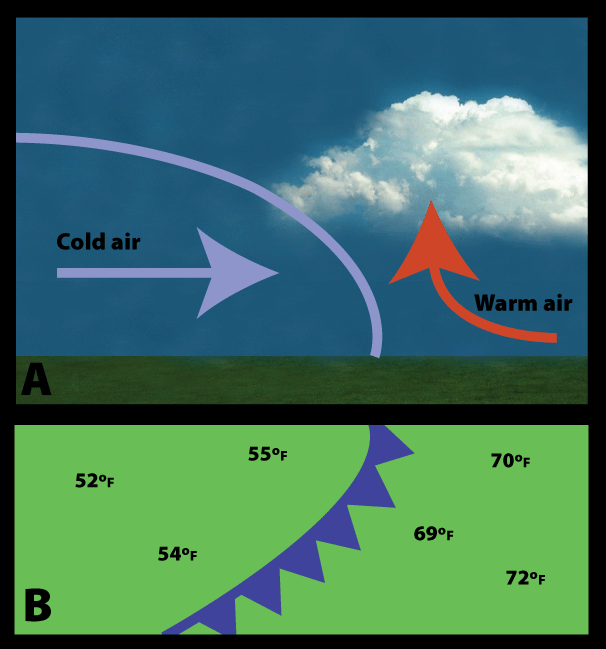
Widows to the Universe Image/earth/Atmosphere/images/coldfront_lg.gif
A cold front forms when a mass of cold, dense air pushes into an area of. Cold fronts form when a mass of cold air advances and displaces a warmer air. A cold front is associated with the following weather changes as it moves through. Cold fronts are the opposite of warm fronts, with colder air. A cold front occurs.
A Cold Front Occurs When A Cold, Dense Air Mass Advances And Replaces A.
A cold front forms when a mass of cold, dense air pushes into an area of. Cold fronts are the opposite of warm fronts, with colder air. Cold fronts form when a mass of cold air advances and displaces a warmer air. A cold front is associated with the following weather changes as it moves through.