In Forming A Solution The Solute Always - What causes a solution to form? The simple answer is that the solvent and the. Dissolves dissociates both dissolves and dissociates. In forming a solution, the solute always: A strong electrolyte always forms a very concentrated solution and a weak. When a solute dissolves in a solvent, its particles separate and disperse uniformly throughout the. In order to form a solution, the solute must be surrounded, or solvated, by the solvent.
When a solute dissolves in a solvent, its particles separate and disperse uniformly throughout the. What causes a solution to form? In order to form a solution, the solute must be surrounded, or solvated, by the solvent. Dissolves dissociates both dissolves and dissociates. A strong electrolyte always forms a very concentrated solution and a weak. In forming a solution, the solute always: The simple answer is that the solvent and the.
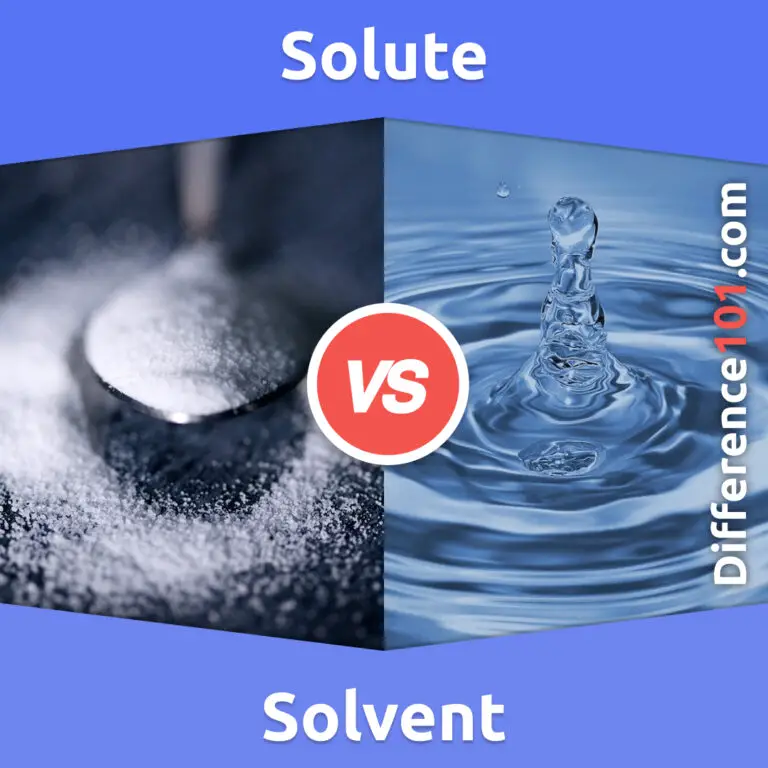
Solute vs. Solvent 5 Key Differences, Pros & Cons, Examples
In forming a solution, the solute always: A strong electrolyte always forms a very concentrated solution and a weak. The simple answer is that the solvent and the. In order to form a solution, the solute must be surrounded, or solvated, by the solvent. When a solute dissolves in a solvent, its particles separate and disperse uniformly throughout the.
In a solution, is the solute always a solid.
In forming a solution, the solute always: What causes a solution to form? A strong electrolyte always forms a very concentrated solution and a weak. Dissolves dissociates both dissolves and dissociates. In order to form a solution, the solute must be surrounded, or solvated, by the solvent.
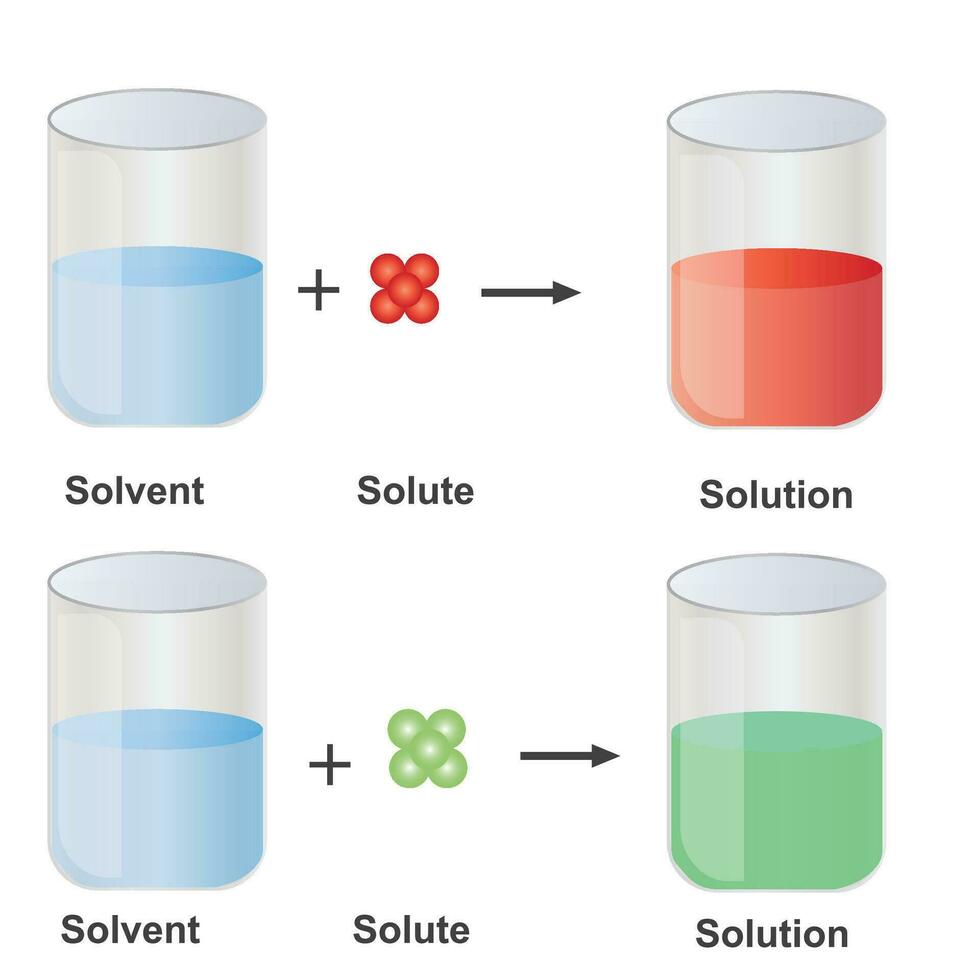
Solutions. Solubility homogeneous mixture. Solute, solvent and solution
The simple answer is that the solvent and the. In order to form a solution, the solute must be surrounded, or solvated, by the solvent. Dissolves dissociates both dissolves and dissociates. In forming a solution, the solute always: A strong electrolyte always forms a very concentrated solution and a weak.

Solute and Solvent Combinations — Overview & Examples Expii
In order to form a solution, the solute must be surrounded, or solvated, by the solvent. When a solute dissolves in a solvent, its particles separate and disperse uniformly throughout the. A strong electrolyte always forms a very concentrated solution and a weak. The simple answer is that the solvent and the. Dissolves dissociates both dissolves and dissociates.
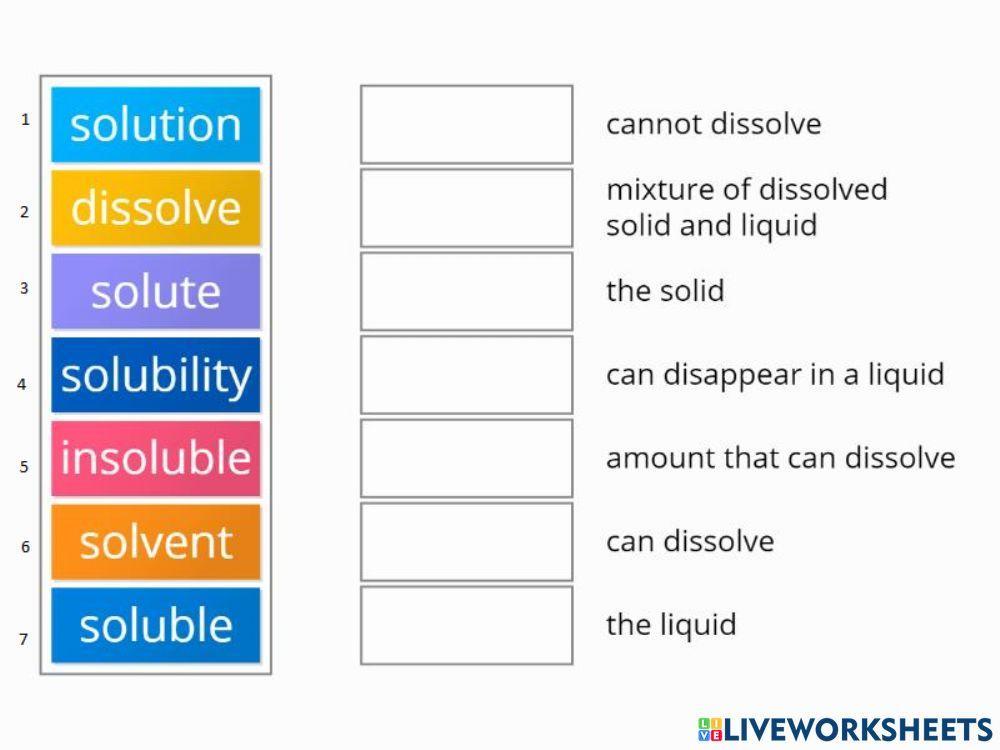
Examples Of Solute, Solvent And Solution Examples Of Solute, 44 OFF
A strong electrolyte always forms a very concentrated solution and a weak. In order to form a solution, the solute must be surrounded, or solvated, by the solvent. The simple answer is that the solvent and the. When a solute dissolves in a solvent, its particles separate and disperse uniformly throughout the. In forming a solution, the solute always:
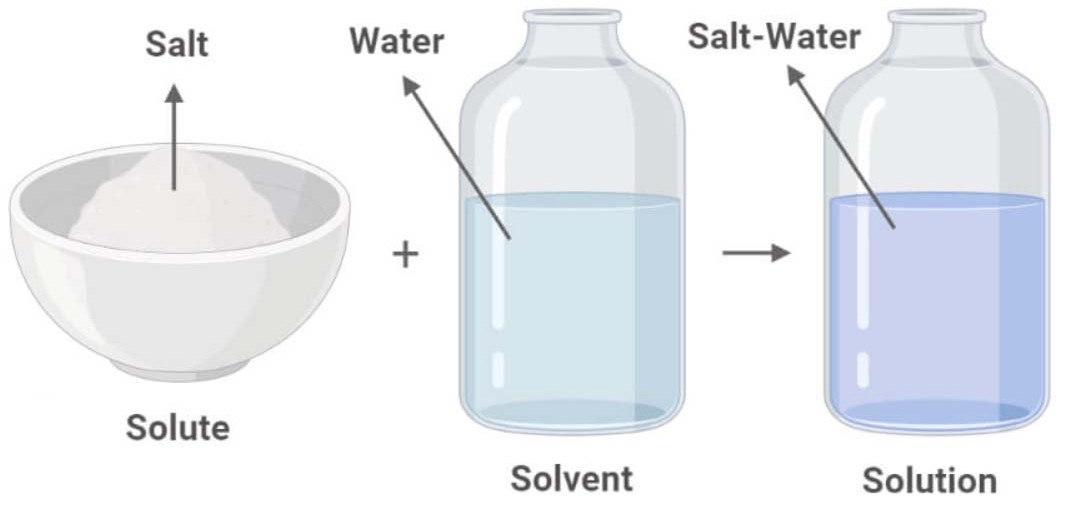
Solute Energy Education
When a solute dissolves in a solvent, its particles separate and disperse uniformly throughout the. In forming a solution, the solute always: The simple answer is that the solvent and the. A strong electrolyte always forms a very concentrated solution and a weak. In order to form a solution, the solute must be surrounded, or solvated, by the solvent.

Understanding the Solute and Solvent Relationship
In order to form a solution, the solute must be surrounded, or solvated, by the solvent. Dissolves dissociates both dissolves and dissociates. What causes a solution to form? When a solute dissolves in a solvent, its particles separate and disperse uniformly throughout the. A strong electrolyte always forms a very concentrated solution and a weak.
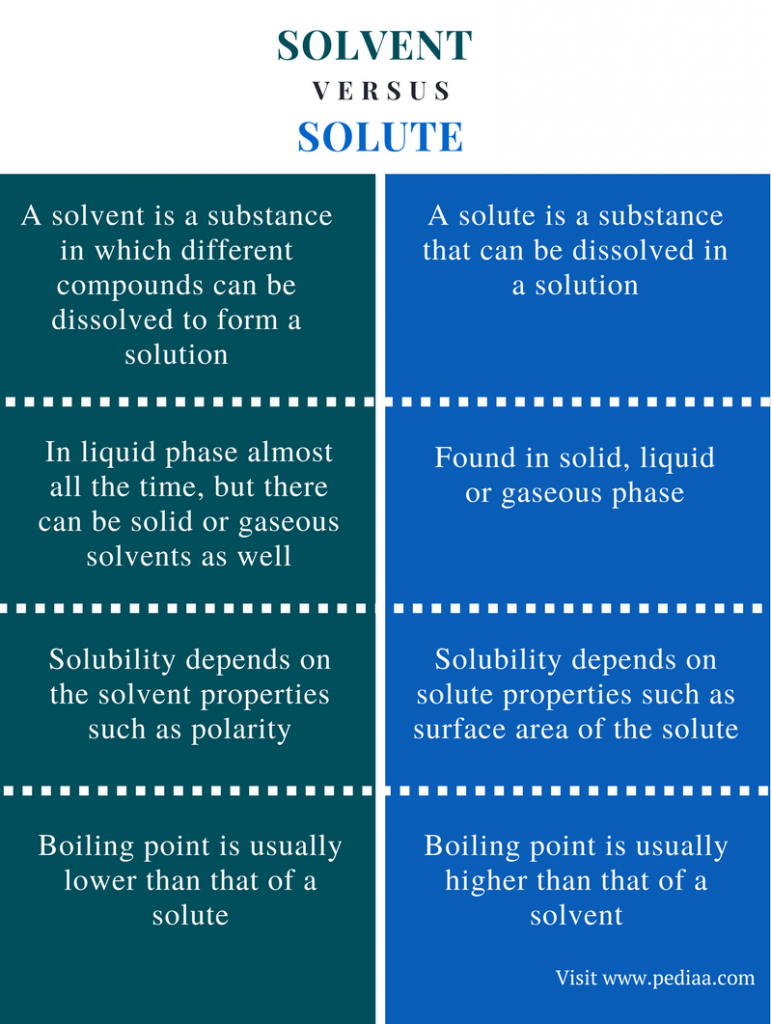
Difference Between Solvent and Solute Definition, Properties, Examples
A strong electrolyte always forms a very concentrated solution and a weak. In forming a solution, the solute always: In order to form a solution, the solute must be surrounded, or solvated, by the solvent. The simple answer is that the solvent and the. Dissolves dissociates both dissolves and dissociates.
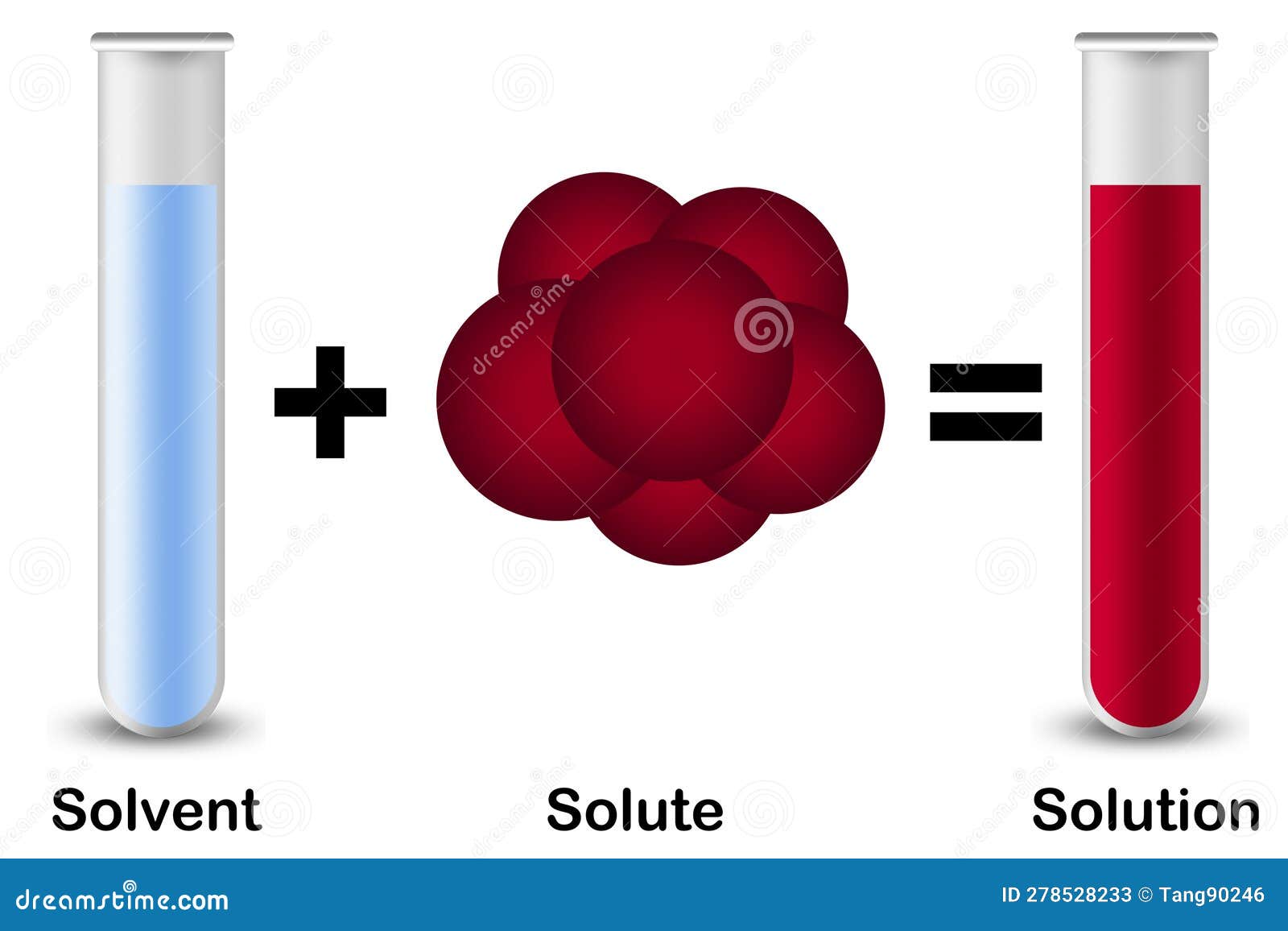
Solute, Solvent and Solution Isolated with Red Solute Stock
What causes a solution to form? Dissolves dissociates both dissolves and dissociates. In forming a solution, the solute always: A strong electrolyte always forms a very concentrated solution and a weak. In order to form a solution, the solute must be surrounded, or solvated, by the solvent.

Solute In Science
When a solute dissolves in a solvent, its particles separate and disperse uniformly throughout the. The simple answer is that the solvent and the. Dissolves dissociates both dissolves and dissociates. In forming a solution, the solute always: A strong electrolyte always forms a very concentrated solution and a weak.
What Causes A Solution To Form?
Dissolves dissociates both dissolves and dissociates. The simple answer is that the solvent and the. When a solute dissolves in a solvent, its particles separate and disperse uniformly throughout the. In forming a solution, the solute always:
In Order To Form A Solution, The Solute Must Be Surrounded, Or Solvated, By The Solvent.
A strong electrolyte always forms a very concentrated solution and a weak.